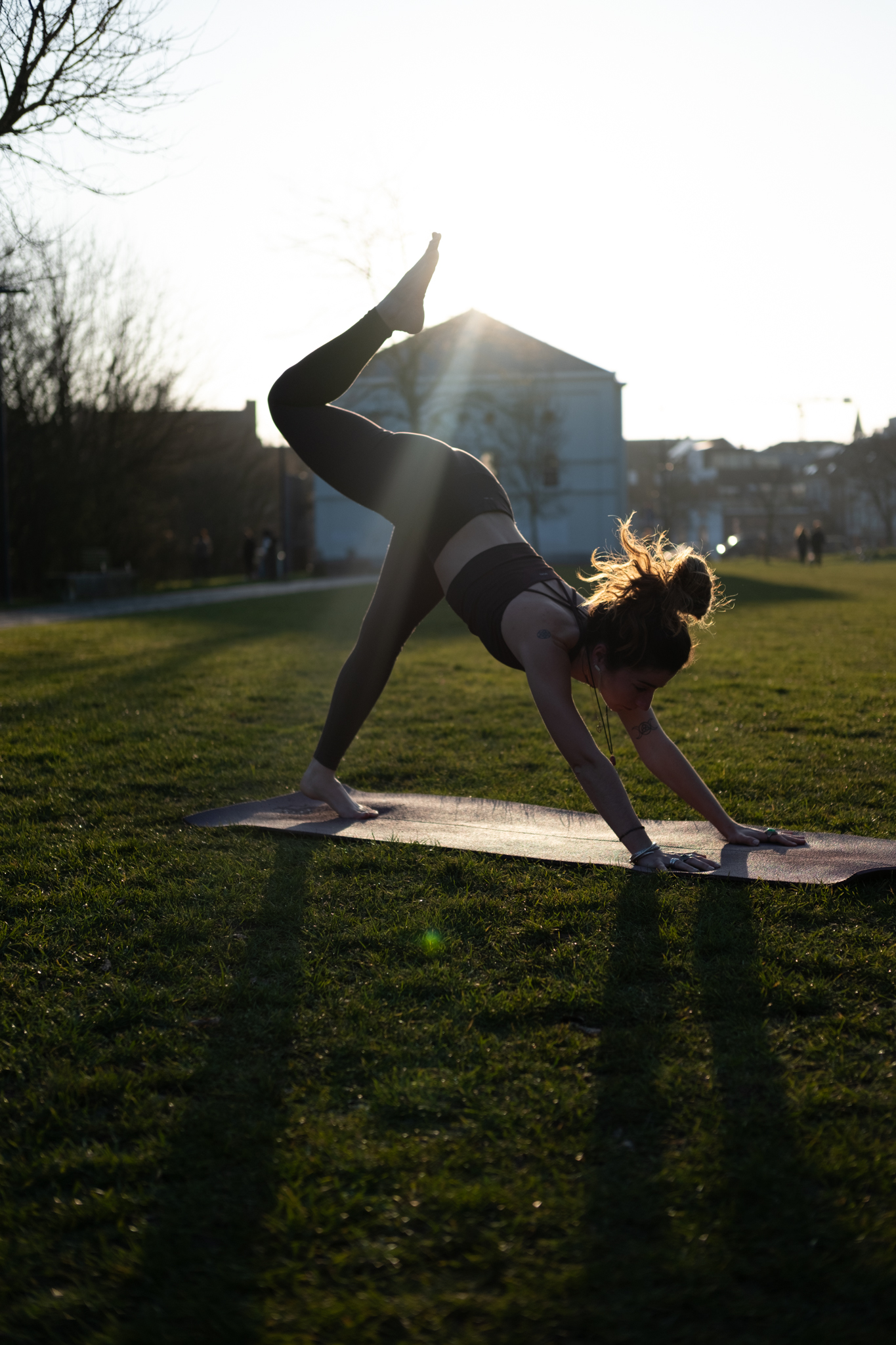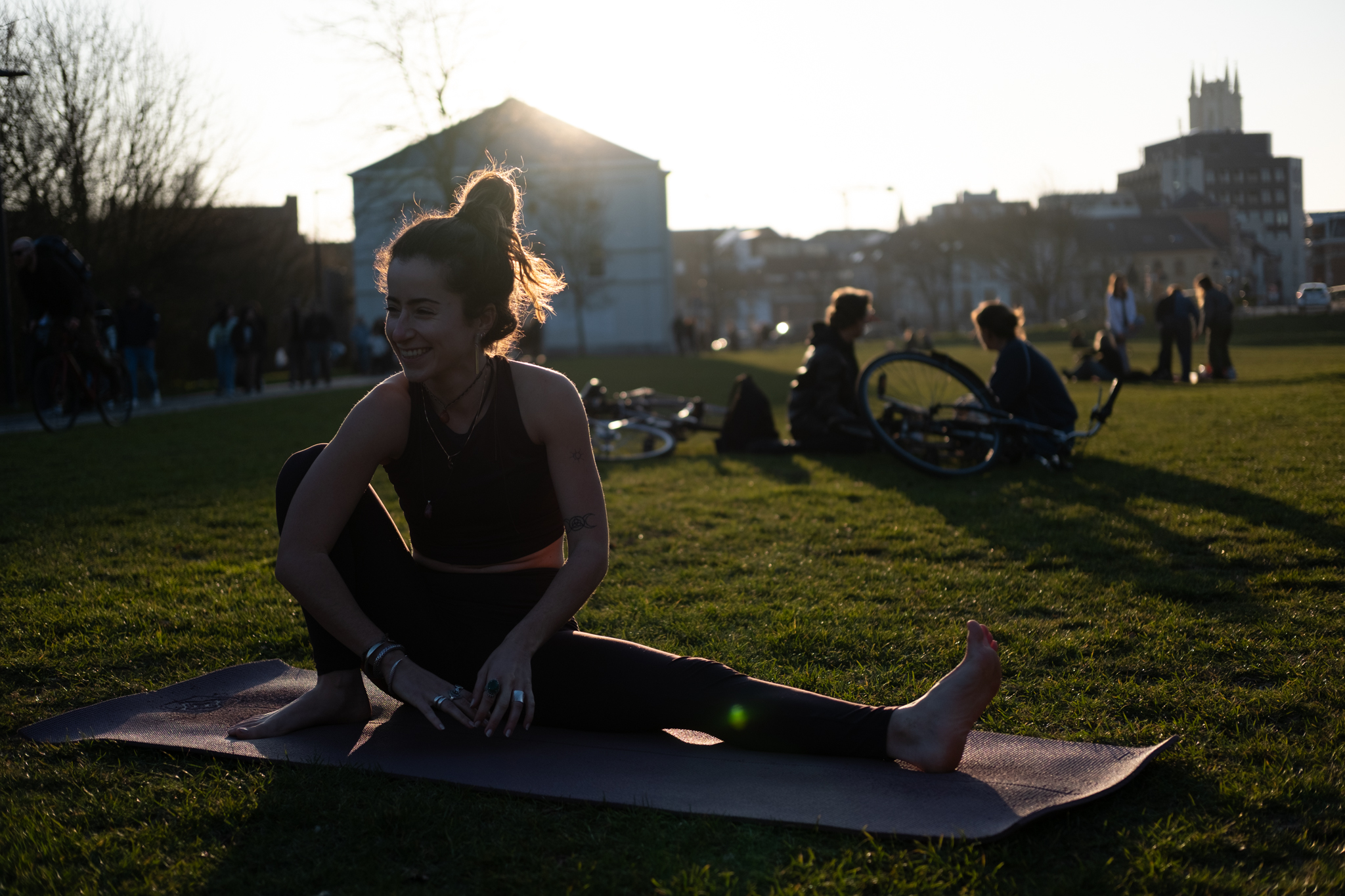
Have you ever noticed how almost everything becomes a performance eventually?
We optimise our mornings: track our sleep, count our steps, measure our protein, meditate with an app that congratulates us for meditating. Even yoga occasionally falls into the same trap. Better poses. More flexibility. Harder classes. Handstands for Instagram. The occasional retreat where everyone somehow looks effortlessly enlightened before breakfast. We really have a talent for turning almost anything into homework.
About
Somewhere along the way, yoga became synonymous with stretchy leggings, handstands and people saying “namaste” at the end of class, which is a little ironic for a tradition that has spent thousands of years asking questions about the human condition, the mind, suffering, relationships, purpose and consciousness, only for us to collectively conclude that the most important thing to come out of it was whether we could finally touch our toes.
I don’t think that’s anyone’s fault, by the way. Movement is simply the easiest place to begin. It’s tangible. You can feel yourself getting stronger, steadier, more mobile, and unlike philosophy, your hamstrings tend to give fairly immediate feedback.
The funny thing is that movement has always been just one small part of yoga, and the more I learned, the more I realised I’d been introduced to the first chapter of a remarkably interesting book and somehow assumed I’d reached the end.
Since then, that curiosity has taken me to India, Sri Lanka, countless books, teachers, conversations, retreats, practices and probably more questions than answers, which, if anything, has only made the whole thing more fascinating. Somewhere along the way neuroscience entered the picture, then the nervous system, then Blue Zones, then history, then philosophy, until I found myself endlessly fascinated by the overlap between ancient traditions and modern research, not because I believe one validates the other, but because both are trying to understand exactly the same thing: what helps human beings live a little better.
That’s really where Tanatana comes from.
Not from the idea that I have something to teach you, but from the idea that there is an incredible amount worth exploring together, whether that happens through a strong yoga practice, a conversation over dinner, a breathing exercise that unexpectedly changes your entire afternoon, or a week in Sardinia where homemade pasta somehow becomes part of a discussion about the Eight Limbs of Yoga and, strangely enough, it all makes perfect sense.
If there’s one thing I hope people take away from Tanatana, it’s that yoga doesn’t become more interesting the more complicated it gets; it becomes more interesting the moment it quietly starts changing the way you move through ordinary life, and that can happen just as easily on a random Wednesday as it can on a retreat halfway across the world.
The moment the nervous system no longer has to spend all its energy searching for danger, it becomes available for something else entirely: curiosity, creativity, connection and growth.